Teva Has Nasal Naloxone Nod For First US Narcan Rival

Teva has received FDA approval for the first US generic naloxone nasal spray after a 30-month stay linked to ongoing patent litigation expired. Launch plans have not yet been revealed. Meanwhile, the Israeli firm has also introduced the first generic version of VESIcare in the US.

Narcan
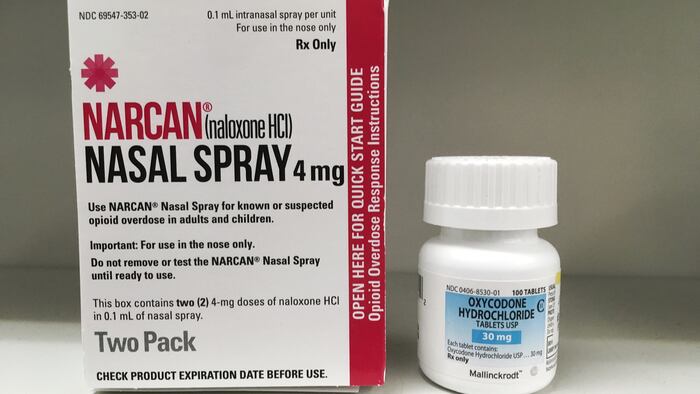
Teva Has Approval For A Generic Version Of Narcan Nasal Spray • Source: Shutterstock

Teva’s naloxone hydrochloride nasal spray has become the first generic version of Adapt Pharma’s Narcan to receive final US Food and Drug Administration approval, following the expiry of a 30-month stay linked to ongoing patent litigation over the opioid overdose treatment. A tentative approval had been granted in June 2018.

However, the Israeli firm has not announced details of when and at what price it intends to sell its approved...

Generics Bulletin Podcast

Stay ahead of every shift in generics and biosimilars.

Generics Bulletin brings you the latest updates that matter for the off-patent industry.

More from Regulation

More from Policy & Regulation

  • For Generics, A Victory Lap – And A Warning – On Drug Shortages

    Avoiding disaster at the beginning of the pandemic and offering a pro-active supply chain blueprint should position the generics industry well for an onshoring debate in Congress, but a look back at March 2020 is a reminder that even small policy shifts can have a big impact.

  • GB-Policy&Regulation-Free: Article with different widgets

    Emerging CRISPR innovations, shifting regulatory landscapes, and rising partnerships are accelerating a paradigm shift in biotech pipelines

  • Overseas API Manufacturing Identified As Key Vulnerability In US Supply Chain

    After US President Joe Biden launched a review of the country’s API supply chain, the task force has reported back with key vulnerabilities that contribute to drug shortages and supply risks during a global public health emergency. According to the report, the lack of geographic diversity and dependence on foreign nations and anti-competitive actions by foreign nations are key areas of concern.