MorphoSys: A European Champion Crossing The Biopharma Rubicon

Insight Into Europe's Maturing Biopharma Market

The Munich-based company is one of a handful of mature European biotechs poised to enter the big league. New CEO Jean-Paul Kress talks to In Vivo about the firm’s next generation antibody platform and why US expansion is crucial to its future.

Kress_Jean-Paul_1200.jpg
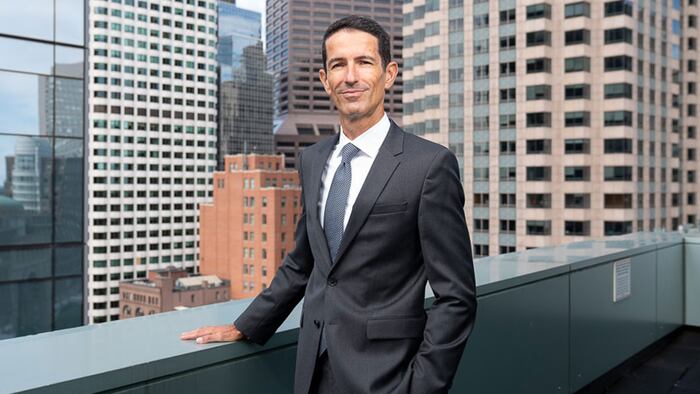
MorphoSys' New CEO Jean-Paul Kress

MorphoSys, based in Martinsreid near Munich, has been around for a full 27 years, and was until this year led by its co-founder Simon Moroney. He oversaw the patient and painstaking development of the company’s R&D expertise over those decades. The strategy first focused on providing its next-generation antibody technology to big pharma, but MorphoSys now possesses an impressive pipeline of partnered and in-house molecules.

The company has a potential blockbuster on its hands, in the shape of its lead in-house candidate tafasitamab (formerly MOR208),...

In Vivo Podcast

Candid conversations with C-suite leaders.

Keep up with strategy, innovation and evolving trends across life science industries.

More from C-Suite Speaks

Vigya test infogram

add a desc test

Bristol Myers Squibb ASPIREs For Access In LMICs

BMS has launched a new cancer drug access program for low-to-middle income countries, focusing on addressing health inequities and widening accessibility.

Crossject Tackles Needle Phobia In Emergency Settings


Patrick Alexandre, Crossject CEO, discusses crucial developments happening for Zeneo, a needle-free injector, functioning intramuscularly to administer medication in a tenth of a second

More from Leadership

In Vivo’s 2026 Rising Leaders

 
• By 

The seventh annual edition of In Vivo’s Rising Leaders features entrepreneurs, academics, lawyers, regulators and innovators from around the globe, representing the forefront of creativity in health care.

How To Decarbonize Pharma R&D

As the planet heats up and sea levels rise, the need to reduce carbon emissions is becoming ever more urgent. The life sciences industry is just one of many that are looking to cut the carbon it produces.