Initially reserved for only the most complex of tasks, robots have become the status quo in many surgical indications.
Approximately 20% of surgeries performed in the US are done with robots and an ever-increasing number of academic papers are...


Harsh economic conditions and increased competition are dictating that surgical robotics companies must quickly adopt new commercial strategies. In Vivo speaks to key players in the space to learn more.
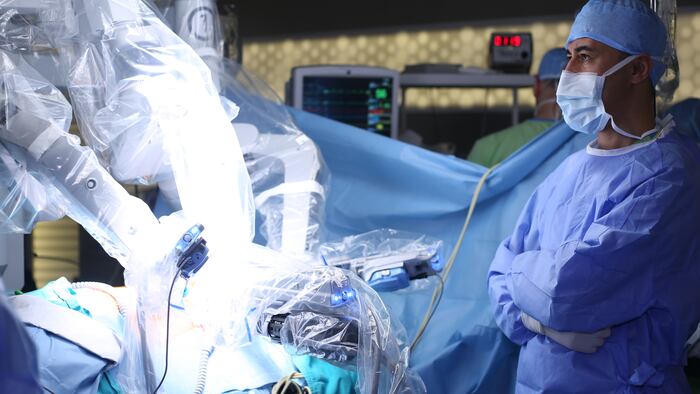
Initially reserved for only the most complex of tasks, robots have become the status quo in many surgical indications.
Approximately 20% of surgeries performed in the US are done with robots and an ever-increasing number of academic papers are...


Launching In Vivo’s oncology therapeutic review series, this first instalment provides a data-led primer on the global cancer landscape. Future instalments will explore market dynamics, pipeline evolution and the innovations set to define oncology therapeutics through 2032.
After 10 years of promised investment following its Nobel Prize for iPS cell research, Japan is cautiously narrowing regulations around the conditional approval of cell therapies and cutting some reimbursement prices. Commercial success remains mixed and some products have been withdrawn from the market.
Mary Jane Hinrichs, Ipsen’s head of early development, talks to In Vivo about getting ahead of the competition by securing deals for candidates before they enter Phase I trials.
Launching In Vivo’s oncology therapeutic review series, this first instalment provides a data-led primer on the global cancer landscape. Future instalments will explore market dynamics, pipeline evolution and the innovations set to define oncology therapeutics through 2032.
The seventh annual edition of In Vivo’s Rising Leaders features entrepreneurs, academics, lawyers, regulators and innovators from around the globe, representing the forefront of creativity in health care.