
Rare Or Common Events? COVID Vaccine Trials In Children Boost Safety Databases, Triggering Fears Of Heart Events

US FDA seems to want Moderna and Pfizer to study their mRNA vaccines in 3,000 people ages five to 11, suggesting the rate of myocarditis in younger children may be higher than in older teens. Such a finding, and even the hunt for it, could push back any COVID-19 vaccine authorization for this population.

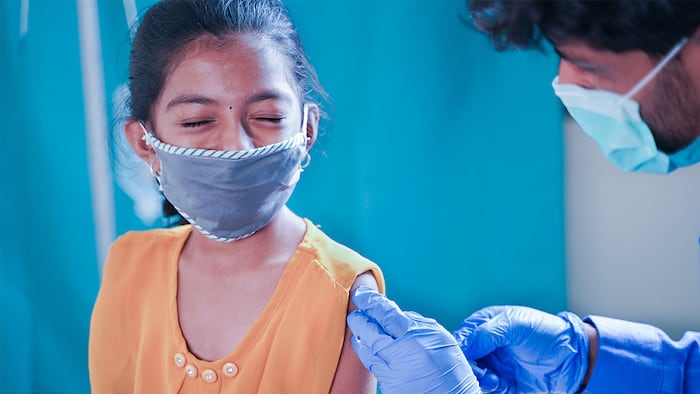
Updated sample size request could indicate concern myocarditis adverse events may be more common in younger children. • Source: Alamy

Moderna, Inc.confirmed on 26 July that it plans to expand the safety database of its COVID-19 vaccine study in children age 5 to 11 following conversations with the US Food and Drug Administration in order to increase the likelihood of detecting rare events, but some experts said the sample size being reported may suggest concern about more common adverse events. 

A company spokesperson indicated the increased sample size could shift timelines for a package that supports authorization and that at...

Pink Sheet Podcast

Learn what's happening at the US FDA. On the go.

Derrick Gingery and the team bring you a weekly "Drug Fix".

More from Clinical Trials

More from R&D

  • India Tightens Oversight Of CROs With Mandatory Registration

     
    • By 

    Contract research organizations (CROs) in India must gear up to comply with new registration requirements coming into effect in April 2025 that aim to enhance the quality and integrity of clinical trials, as well as of any bioavailability and bioequivalence studies conducted by them.

  • Clinical Trial Diversity Action Plans Need Timely FDA Feedback, Groups Say

     
    • By 

    The agency also should explain the potential consequences for sponsors if enrollment goals are not met, stakeholders say in comments on the DAP draft guidance. Some commenters urged the FDA to apply waiver criteria flexibly, especially for rare diseases.

  • How To Decarbonize Pharma R&D


    As the planet heats up and sea levels rise, the need to reduce carbon emissions is becoming ever more urgent. The life sciences industry is just one of many that are looking to cut the carbon it produces.