More Stains Surface On US Hand Sanitizer Market With Production Standards Loosened

In addition to a large and growing number of products made in Mexico and found to contain methanol on recall, sanitizers made by a Washington state dental whitening product firm contain ethanol at below labeled levels and the presence of undeclared isopropyl alcohol. Recent recalls also include injectable CBD formulations a Seattle firm marketed OTC and a New Jersey’s firm dandruff shampoo produced with water that failed US Pharmacopeia specifications 

regulatory compliance concept on the gearwheels, 3D rendering

Looser standards for hand sanitizer manufacturing in the US to spur additional production and help meet increasing demand during the COVID-19 pandemic has made available some that aren’t compliant with regulations and are being recalled.

In addition to a large and growing number of products made in Mexico and found to contain potentially lethal methanol,...

HBW Podcast

Explore how consumer health is evolving. On the go.

David Ridley hosts in-depth conversations with industry leaders.

More from Recalls

Different Name, Same Contamination, Recall Problems For US Homeopathic Nasal Spray Firm

Green Pharmaceuticals’ SnoreStop Nasal Spray, previously marketed as “NasoSpray,” still is available even though agency officials on multiple occasions for a month recommended a recall after an April inspection found “gross microbial contamination” in one lot.

FSMA Facility, Recall Reinspection Fees Remain On Ice As FDA Heats Up Making Program ‘Feasible’


As it has every year since FSMA was passed in 2011, FDA doesn’t plan to impose reinspection fees until it publishes guidance for small businesses to request reductions. FY2025 budget proposal includes plan “to re-structure the fee programs to make it more administratively feasible to operate.”

Durbin Has Tianeptine Reaction: Refiles Bill Requiring Registration Of Dietary Supplements


Senate majority whip asks four supplement industry trade groups for “a written plan to work with responsible supplement manufacturers to remove tianeptine and other dangerous or illegal ingredients from the supplement market.”

Insanitary Storage Of FDA-Regulated Products Costs Family Dollar Nearly 42 Million Dollars


Nearly 1,300 rodents exterminated at Arkansas warehouse after FDA investigation found lack of climate control in store of food and OTC drugs requiring dry, room-temperature conditions. Firm pleads guilty in largest monetary criminal penalty in US food safety case.

More from Policy & Regulation

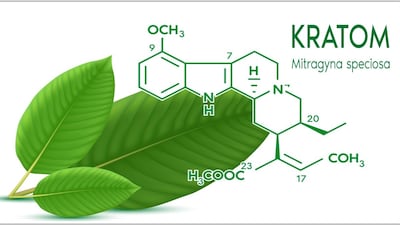
Kratom Industry Argues FDA Wants To Label All Products As Adverse Events Without Evidence


Week after publishing safety alert about OPMS Black Liquid Kratom “linked to serious adverse health effects, including death,” FDA announced market research “to understand and characterize emergent risk/safety and perceived benefits reportedly linked to kratom and psychedelics.” But it withdrew the study 10 days later.

ACNU Switch And IND Exemption Final Rules Targeted For October In FDA Regulatory Goals


Semi-annual regulatory agenda of non-binding target dates also sets December goal for an NPRM to recognize N-acetyl-L-cysteine as a lawful dietary ingredient. Like IND exemptions rule, item on NAC included for first time in FDA’s list.

'Inside Regulatory Affairs' With The Honest Company’s Sharee Crumbey And Monica Sharda

 
• By 

In this installment of HBW Insight’s “Inside Regulatory Affairs” series, we hear from Sharee Crumbey and Monica Sharda, regulatory affairs specialists at The Honest Company, about the mounting challenges and rewards of the job.