WRO-1096.3
Schwarzwaldallee 215


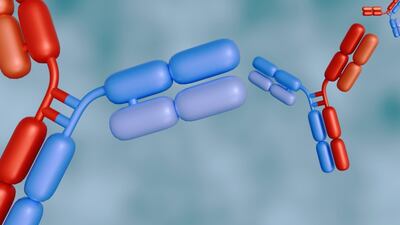
4-antibody AG aims to produce fully-human, "gold standard" antibodies using its unique combination of tested technologies. The trump card: it reckons it can skirt the IP blackout zone created by pioneers around well-validated targets, thereby opening up an alterrnative route into existing, billion-dollar antibody markets.
WRO-1096.3
Schwarzwaldallee 215


Merck’s immuno-oncology blockbuster was the world’s best-selling drugs by revenues for the second year in a row, with an almost $12bn lead over its closest rival, Novo Nordisk’s GLP-1 drug Ozempic.
Ordspono, a bispecific antibody newly approved in the EU to treat follicular lymphoma and diffuse large B-cell lymphoma, joins Libtayo in Regeneron’s growing oncology portfolio.
Nemluvio is a first-in-class IL-31 inhibitor that the US FDA approved for prurigo nodularis.
CEO Bill Anderson would not be drawn on whether the drug, currently approved for chronic kidney disease associated with type 2 diabetes, will hit a previous forecast of €3bn peak sales, but expansion into heart failure may make that figure look conservative.
Companies stand a better chance of securing public reimbursement in Mexico for innovative medicines if they understand changing approaches to healthcare. The shift means the emergence of managed entry agreements and a focus on economic impact, explains AMIIF, Mexico's research-based pharmaceutical industry association.
Novartis’s APMA chief outlines the company’s tailored approach to deliver long-term outcomes, novel access solutions via innovative financing options and shape the CVD disease ecosystem in the extraordinarily diverse region. Partnering to build AI infrastructure is another key prong.
A court order encompassing funding, drug pricing, clinical trials and overall policy implementation aspects is expected to bring about a paradigm shift in the treatment of rare diseases in India. Sarepta, Roche and Sanofi are among the key players that have been part of pricing discussions.