The US FDA approval of Pfizer Inc.’s PARP inhibitor Talzenna (talazoparib) for BRCA-mutated breast cancer gives Pfizer another launch in a cancer where it already has extensive experience with its blockbuster Ibrance.
[Sidebar#SC123101]


The PARP inhibitor, acquired with Medivation, will launch in a field where Pfizer already has commercial experience through its CDK4/6 inhibitor Ibrance.
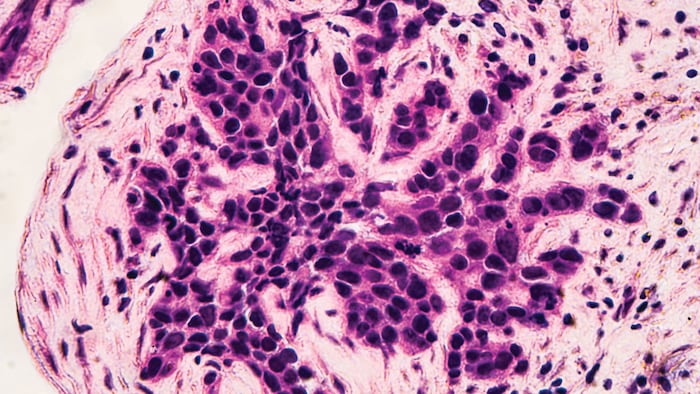
The US FDA approval of Pfizer Inc.’s PARP inhibitor Talzenna (talazoparib) for BRCA-mutated breast cancer gives Pfizer another launch in a cancer where it already has extensive experience with its blockbuster Ibrance.
[Sidebar#SC123101]


The world’s biggest pharmaceutical companies mostly saw growth in 2024 but 2025 promises to be more of a mixed bag with headwinds including losses of exclusivity, Medicare Part D redesign and challenges in the Chinese market.
The nod will help unlock a national market for the partners’ Dupert (fulzerasib) in which roughly 50,000 people are expected to be newly diagnosed with lung cancer harboring the KRAS G12C mutation in 2025. Meanwhile, two other homegrown rivals are also closing in on marketing clearances in China.
2030 sales forecasts for Novo’s obesity hope are an order of magnitude larger than its closest rival among 2025’s expected debutantes.
Tarsus Pharmaceuticals is putting more sales and marketing heft behind its novel eyelid disease therapy, Xdemvy, to capitalize on a solid start in a previously untapped market.
Lilly's first Phase III triplet win opens the door to a label expansion in BTK-pretreated CLL, with analysts suggesting Jaypica could attain blockbuster status. However, the window to capitalize may be brief as next-generation BTK degraders close in with head-to-head trials.
Lilly's first Phase III triplet win opens the door to a label expansion in BTK-pretreated CLL, with analysts suggesting Jaypica could attain blockbuster status. However, the window to capitalize may be brief as next-generation BTK degraders close in with head-to-head trials.