
ERS Genomics Completes 45 CRISPR Licensing Deals To Date, Largely For Screening, Discovery

Despite being ineligible to license its CRISPR technology for human gene and cell therapy applications, ERS is doing considerable business with biopharmas for internal R&D projects.

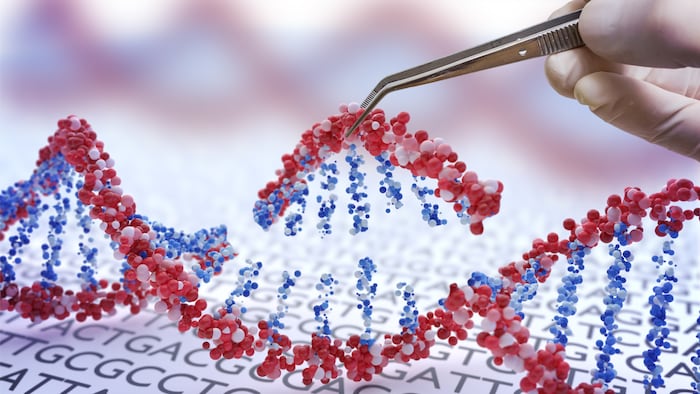
Genetic engineering, GMO and Gene manipulation concept. Hand is inserting sequence of DNA. 3D illustration of DNA. - Image
Several companies license out rights to CRISPR gene-editing technology

As one of six companies with rights to out-license CRISPR/Cas9 gene-editing technology, ERS Genomics Ltd. has completed 45 such deals so far, with most of the licenses taken by biopharmaceutical companies. ERS CEO Eric Rhodes told Scrip that while his company also makes deals outside of human life science applications, to date more than 90% of its licenses have gone to the biopharma industry.

Rights to the CRISPR (Clustered Regularly Interspaced Short Palindromic Repeats) technology are held by six companies in total, set up...

Scrip Podcast

Keep up with the top pharma business news of the week. On the go.

Scrip brings you a weekly bulletin of top picks.

More from Deals

More from Business

  • How A New Healthcare Dialogue Is Driving Market Access In Mexico

    Companies stand a better chance of securing public reimbursement in Mexico for innovative medicines if they understand changing approaches to healthcare. The shift means the emergence of managed entry agreements and a focus on economic impact, explains AMIIF, Mexico's research-based pharmaceutical industry association.

  • How Novartis Is Elevating CVD Outcomes, Driving ‘Personalized Access’ In APMA

    Novartis’s APMA chief outlines the company’s tailored approach to deliver long-term outcomes, novel access solutions via innovative financing options and shape the CVD disease ecosystem in the extraordinarily diverse region. Partnering to build AI infrastructure is another key prong.

  • India Rare Diseases: Court Shows Path For Policy Action, Funding, Price Issues-- Test-2

    A court order encompassing funding, drug pricing, clinical trials and overall policy implementation aspects is expected to bring about a paradigm shift in the treatment of rare diseases in India. Sarepta, Roche and Sanofi are among the key players that have been part of pricing discussions.