Bristol’s Opdivo Continues Slide, But First-Line Lung Offers Optimism

Sales of the Bristol PD-1 inhibitor dropped 9% year-over-year but the company says approvals in first-line NSCLC are off to a good start. Q2 saw growth for Eliquis and Revlimid despite pandemic impact.

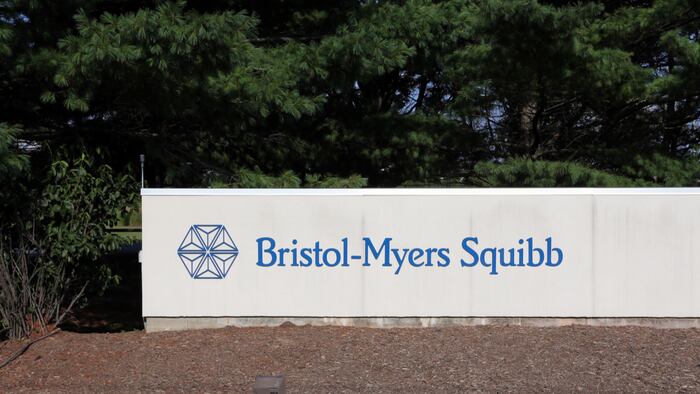
Bristol-Myers-Squib_685347493_1200.jpg
Bristol sees positive early trends for the Opdivo/Yervoy combo in first-line lung cancer

Bristol-Myers Squibb Company execs talked up Opdivo’s growth prospects moving forward on the company’s second quarter earnings call on 6 August, saying that launch of the PD-1 inhibitor in combination with its CTLA-4 inhibitor Yervoy (ipilimumab) in first-line non-small cell lung cancer is off to a good start and that renal cell carcinoma could offer another growth area for the immuno-oncology agent.

There have been concerns about Opdivo (nivolumab) given continued strong growth for Merck & Co., Inc.’s best-selling PD-1 rival...

Scrip Podcast

Keep up with the top pharma business news of the week. On the go.

Scrip brings you a weekly bulletin of top picks.

More from Earnings

More from Business

  • How A New Healthcare Dialogue Is Driving Market Access In Mexico

    Companies stand a better chance of securing public reimbursement in Mexico for innovative medicines if they understand changing approaches to healthcare. The shift means the emergence of managed entry agreements and a focus on economic impact, explains AMIIF, Mexico's research-based pharmaceutical industry association.

  • How Novartis Is Elevating CVD Outcomes, Driving ‘Personalized Access’ In APMA

    Novartis’s APMA chief outlines the company’s tailored approach to deliver long-term outcomes, novel access solutions via innovative financing options and shape the CVD disease ecosystem in the extraordinarily diverse region. Partnering to build AI infrastructure is another key prong.

  • India Rare Diseases: Court Shows Path For Policy Action, Funding, Price Issues-- Test-2

    A court order encompassing funding, drug pricing, clinical trials and overall policy implementation aspects is expected to bring about a paradigm shift in the treatment of rare diseases in India. Sarepta, Roche and Sanofi are among the key players that have been part of pricing discussions.