
Loxo Lays Out Plans For BTK Inhibitor LOXO-305 In CLL

Data At ASH Show Strong Post-Imbruvica Efficacy

The company said investigators had been choosing the drug over Venclexta due to its less cumbersome administration, especially amid the COVID-19 pandemic.

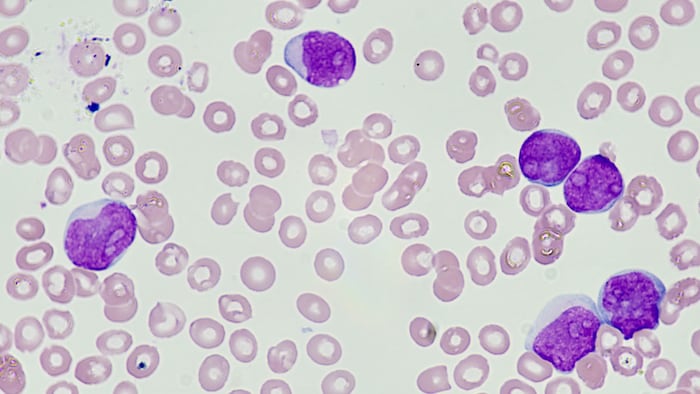
 Leukemia cell (blast cell)
Loxo Oncology at Lilly announced Phase I/II data for its BTK inhibitor in CLL • Source: Shutterstock

Phase I/II data for at Eli Lilly and Company’s non-covalent Bruton’s tyrosine kinase (BTK) inhibitor, LOXO-305, show a high response rate among patients with chronic lymphocytic leukemia and small lymphocytic lymphoma (CLL/SLL) who previously received covalent BTK inhibitor therapies. That indicates the drug could add to a treatment space with few options and whose current occupants can be cumbersome to give.

On 7 December at the American Society of Hematology virtual meeting, the drug maker's Loxo Oncology at Lilly division presented...

Scrip Podcast

Keep up with the top pharma business news of the week. On the go.

Scrip brings you a weekly bulletin of top picks.

More from Strategy

More from Business

  • How A New Healthcare Dialogue Is Driving Market Access In Mexico

    Companies stand a better chance of securing public reimbursement in Mexico for innovative medicines if they understand changing approaches to healthcare. The shift means the emergence of managed entry agreements and a focus on economic impact, explains AMIIF, Mexico's research-based pharmaceutical industry association.

  • How Novartis Is Elevating CVD Outcomes, Driving ‘Personalized Access’ In APMA

    Novartis’s APMA chief outlines the company’s tailored approach to deliver long-term outcomes, novel access solutions via innovative financing options and shape the CVD disease ecosystem in the extraordinarily diverse region. Partnering to build AI infrastructure is another key prong.

  • India Rare Diseases: Court Shows Path For Policy Action, Funding, Price Issues-- Test-2

    A court order encompassing funding, drug pricing, clinical trials and overall policy implementation aspects is expected to bring about a paradigm shift in the treatment of rare diseases in India. Sarepta, Roche and Sanofi are among the key players that have been part of pricing discussions.