
Boehringer’s Innovation Strategy Does Not Avoid Areas With Heavy Competition

Boehringer Ingelheim's head of innovation Michel Pairet tells Scrip that while unmet medical need is the pharma’s R&D priority, its main focus is bringing breakthrough therapy potential to patients, and it is taking aim at competitive spaces like metabolic health and cancer.

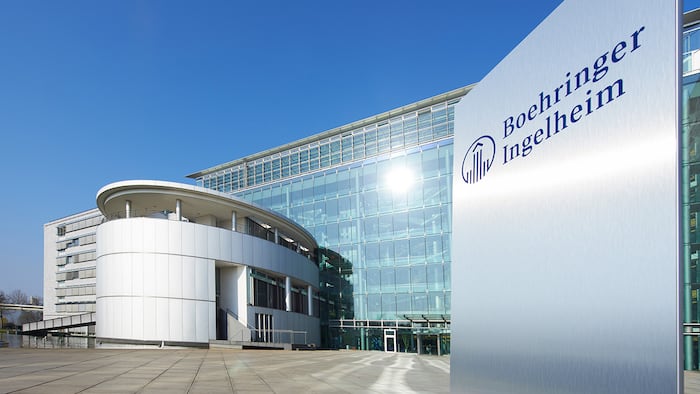
Boehringer Ingelheim headquarters in Ingelheim, Germany
BI's R&D strategy centers on novel targets and breakthrough therapies for unmet needs • Source: Boehringer Ingelheim (dieth+schröder-fotografie)

Like many of its large pharma peers, Boehringer Ingelheim likes to talk about its lofty research and development goals and sourcing external innovation to stay on the cutting edge of therapeutic modalities, target discovery and validation, and ways to hit those targets. The German firm sets high standards for best- and/or first-in-class pipeline assets and breakthrough therapy designations.

[Sidebar#IV124844]

Scrip Podcast

Keep up with the top pharma business news of the week. On the go.

Scrip brings you a weekly bulletin of top picks.

More from Strategy

More from Business

  • How A New Healthcare Dialogue Is Driving Market Access In Mexico

    Companies stand a better chance of securing public reimbursement in Mexico for innovative medicines if they understand changing approaches to healthcare. The shift means the emergence of managed entry agreements and a focus on economic impact, explains AMIIF, Mexico's research-based pharmaceutical industry association.

  • How Novartis Is Elevating CVD Outcomes, Driving ‘Personalized Access’ In APMA

    Novartis’s APMA chief outlines the company’s tailored approach to deliver long-term outcomes, novel access solutions via innovative financing options and shape the CVD disease ecosystem in the extraordinarily diverse region. Partnering to build AI infrastructure is another key prong.

  • India Rare Diseases: Court Shows Path For Policy Action, Funding, Price Issues-- Test-2

    A court order encompassing funding, drug pricing, clinical trials and overall policy implementation aspects is expected to bring about a paradigm shift in the treatment of rare diseases in India. Sarepta, Roche and Sanofi are among the key players that have been part of pricing discussions.