
Value-Based Pricing Could Boost Global Applicability Of NICE Appraisals

Value-based pricing will start in the U.K. in January 2014 for newly launched products, with prices taking into account innovation and societal benefit as well as NICE's usual clinical and cost-effectiveness analysis, U.K. Health Secretary Andrew Lansley tells NICE's annual conference.

Learn what's happening at the US FDA. On the go.


More from United Kingdom
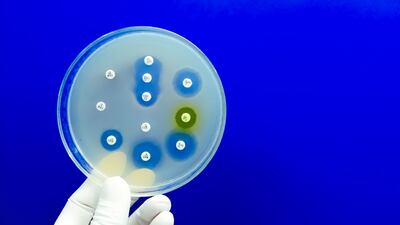
The UK will require all antibiotic manufacturers looking to apply for funding under its subscription payment model to demonstrate they are meeting waste discharge standards in a bid to reduce antimicrobial resistance.

Pharmaceutical companies should only use AI in evidence generation and reporting where there is “demonstrable value from doing so,” according to England’s health technology assessment body, NICE.

While the drug regulator has approved Eisai/Biogen’s early Alzheimer’s disease treatment, the health technology assessment institute is worried that its benefits are too small to justify its costs – a concern that Eisai has pledged to address.

It is “absolutely fundamental” that manufacturers of cell and gene therapies interact with inspectors from regulatory agencies to understand their expectations around good manufacturing practice, a compliance consultant at CDMO eXmoor pharma says.
More from Europe

<p>Executive Summary</p> <p>A list of EU biosimilar filings, CHMP opinions and EU marketing authorizations, including details of the biosimilar company, the brand name/INN, indication(s), the reference product/company, and the date and type of event.</p>

Companies dealing with commercial costings or contracts with the National Health Service for early phase clinical trials or trials of advanced therapy medicinal products should soon be able to conclude their negotiations more quickly.

As the planet heats up and sea levels rise, the need to reduce carbon emissions is becoming ever more urgent. The life sciences industry is just one of many that are looking to cut the carbon it produces.