
California DTSC’s Safer Products Chief On 1,4-Dioxane, Why Paint Stripper AA Is Worth Following

Manufacturers of methylene chloride-containing paint strippers have submitted the first substantial alternatives analysis under California’s Safer Consumer Products regulation, an undertaking that could be informative for other industries. Karl Palmer, who heads the program for the Department of Toxic Substances Control, discusses the process and the DTSC’s probe into 1,4-dioxane in personal care.

Tradeoff Wordcloud

California’s Department of Toxic Substances Control has taken no formal action against 1,4-dioxane in personal-care and household cleaning products, but the DTSC would not be in information-gathering mode if it were not seriously considering the substance for a Priority Product proposal under the state’s Safer Consumer Products (SCP) regulation.

“We’re very aware that even though it’s pre-regulatory, if we come out with a workshop and say, ‘We’re concerned about...

HBW Podcast

Explore how consumer health is evolving. On the go.

David Ridley hosts in-depth conversations with industry leaders.

More from Manufacturing

HI-Beauty (Free-2): How the Future of Medicine Will Revolve Around Our Gut

 
• By 

The gut’s microbiome will shape future medical advances, offering personalized therapies and prevention strategies for a wide range of diseases.

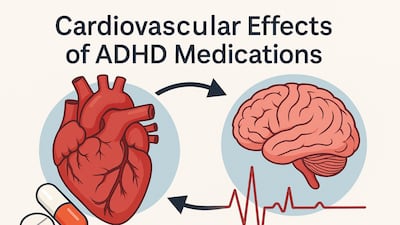
ADHD Medications and Cardiovascular Effects: New Data Revealed. (A Comprehensive Evaluation of Emerging Clinical and Epidemiological Evidence on the Cardiovascular Effects Associated with Commonly Prescribed Medications for Attention Deficit Hyperactivity Disorder)

 
• By 

A look at new research on the cardiovascular effects of ADHD medications and what it means for clinical care. This article explores the latest clinical and epidemiological research on the cardiovascular effects of medications commonly prescribed for ADHD, examining potential heart-related risks, underlying mechanisms, and their implications for patient safety, clinical decision-making, and long-term treatment strategies across diverse age groups and risk profiles.

ACNU Switch And IND Exemption Final Rules Targeted For October In FDA Regulatory Goals


Semi-annual regulatory agenda of non-binding target dates also sets December goal for an NPRM to recognize N-acetyl-L-cysteine as a lawful dietary ingredient. Like IND exemptions rule, item on NAC included for first time in FDA’s list.

‘Inside Regulatory Affairs’ With Kenvue's Kevin Whelan

This HBW Insight series profiles regulatory affairs specialists working in or supporting the consumer health and beauty product industries. In this installment, we speak to Kenvue's Kevin Whelan.

More from Business

HI-Beauty (Free-2): How the Future of Medicine Will Revolve Around Our Gut

 
• By 

The gut’s microbiome will shape future medical advances, offering personalized therapies and prevention strategies for a wide range of diseases.

ADHD Medications and Cardiovascular Effects: New Data Revealed. (A Comprehensive Evaluation of Emerging Clinical and Epidemiological Evidence on the Cardiovascular Effects Associated with Commonly Prescribed Medications for Attention Deficit Hyperactivity Disorder)

 
• By 

A look at new research on the cardiovascular effects of ADHD medications and what it means for clinical care. This article explores the latest clinical and epidemiological research on the cardiovascular effects of medications commonly prescribed for ADHD, examining potential heart-related risks, underlying mechanisms, and their implications for patient safety, clinical decision-making, and long-term treatment strategies across diverse age groups and risk profiles.