
Cosmetics News In Brief: NY Slaps Limit On Cosmetic 1,4-Dioxane Content; J&J Talc Drama; IFF Merger

Suspected trace carcinogen 1,4-dioxane must be limited to 2 parts per million in personal cleansing products sold in New York after 31 December 2022, and 1 ppm one year later, under recently enacted legislation. More cosmetics news in brief.

Binocular viewer_1200X675

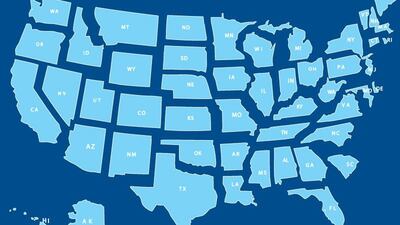
Gov. Andrew Cuomo signed controversial legislation on 9 December to limit trace 1,4-dioxane content in cosmetics and household cleaning products sold in the state, despite pushback from industry corners. Under S.4389b and A.6295a, which passed the New York Senate and Assembly in June, 1,4-dioxane in personal cleansing products and household cleaners must not exceed 2 parts per million after 31 December 2022, and 1 ppm one year later. (Also see "New York On Verge Of Setting Limits For 1,4-Dioxane In Cosmetic Products" - HBW Insight, 23 July, 2019.) The suspected carcinogen’s presence in other cosmetic products will be capped at 10 ppm beginning in 2023. New York's concerns are based largely on 1,4-dioxane levels detected in public water supplies, rather than exposure risks posed by direct consumer product use. Domestic cleaning industry advocates, including the Household and Commercial Products Association and American Cleaning Institute, were the legislation’s biggest opponents, contesting the measure's scientific rationale and citing potential market disruptions, less efficacious products and job losses across the US. (Also see "Industry Presses NY Governor Not To Sign 1,4-Dioxane Bill, Warns Of Far-Reaching Consequences" - HBW Insight, 10 August, 2019.)

US House Rep. Raja Krishnamoorthi, D-IL, seeks "documents and information" from Johnson & Johnson CEO Alex Gorsky following...

HBW Podcast

Explore how consumer health is evolving. On the go.

David Ridley hosts in-depth conversations with industry leaders.

More from Legislation

HI-Beauty (Free-2): How the Future of Medicine Will Revolve Around Our Gut

 
• By 

The gut’s microbiome will shape future medical advances, offering personalized therapies and prevention strategies for a wide range of diseases.

Lingering Headwinds Slow Latest Results, But P&G Rebuffs Concerns About Consumer Spending


P&G's FY2024 Q4 net sales were flat at $20.5bn, lower than consensus estimates, but the firm says its underlying business divisions are healthy and forecasts FY2025 sales up 2% to 4%, up 3% to 5% organically.

‘It's Not Sustainable For Companies To Reformulate For One State’ – PCPC’s Karin Ross

 
• By 

Legislator education is key to checking state bills that overreach, says Ross, executive VP of government affairs at the Personal Care Products Council, discussing the rising tide of US state bills aimed at restricting ingredient use.

Pandemic Emergency OTC Sanitizer Makers Have 22 Weeks To Avoid Paying Monograph User Fees


FDA reminds companies which registered with agency solely to manufacture OTC sanitizers during COVID-19 public health emergency they will be subject to FY2025 OTC monograph user fees if they don’t delist and deregister as monograph drug manufacturers by 12 a.m. on 31 December.

More from Policy & Regulation

Stay Tuned For FDA OTC Monographs Portal Update


With monographs@FDA portal down, agency moves to NextGen and extends comment period through 27 September for first OTC monograph change it proposed using its overhauled program other than 32 monographs finalizations required in 2020 legislation authorizing overhaul.

Recordati Posts Rise In OTC Sales Despite Weak Cold & Flu Season

 
• By 

OTC sales edged up at Italy's Recordati in the first half of 2024 as higher demand for GI products and supplements offset a weaker cold & flu season.

Lingering Headwinds Slow Latest Results, But P&G Rebuffs Concerns About Consumer Spending


P&G's FY2024 Q4 net sales were flat at $20.5bn, lower than consensus estimates, but the firm says its underlying business divisions are healthy and forecasts FY2025 sales up 2% to 4%, up 3% to 5% organically.