
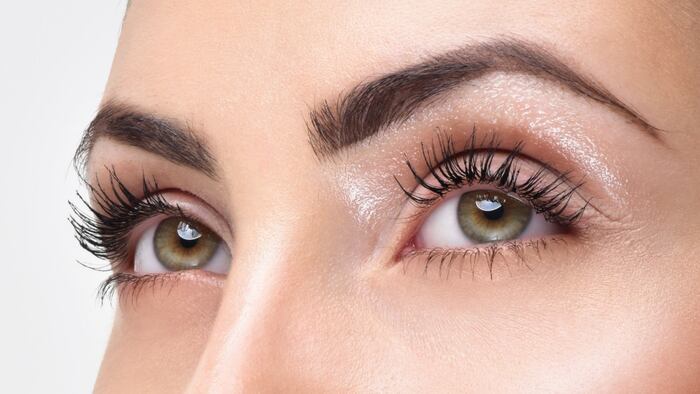
Elixir Cosmetics, OPCO, LLC is defending a class action lawsuit in New York’s Eastern District regarding isopropyl cloprostenate use in its Babe Lash Essential Serum and Babe Brow Amplifying Serum, which plaintiffs allege are unapproved drug products posing risks the defendant failed to disclose adequately to consumers.
Meanwhile, the company is settling a similar case with consumers nationwide under conditions preliminarily approved by a California Superior court in January.
Those conditions include the establishment of a $2.3m fund to recompense purchasers and cover class representative service payments, attorneys’ fees, and other costs.
Skarpnes V. Elixir Settlement Class
All persons in the United States or its territories who purchased any Elixir Product for personal, family, household, or professional purposes between June 1, 2019 and the date of the entry of an order granting preliminary approval to the Settlement Agreement.
Further, Elixir has agreed to include expanded cautionary information on outer packaging, insert and website.
Expanded Babe Lash instructions for use are to read: “This cosmetic product contains (a small amount of) isopropyl cloprostenate, an analog of prostaglandin. It is important to use the product as instructed so that it does not get into the eye. As instructed in the directions for application, if product does come into contact with the eye, immediately rinse thoroughly with cool water to completely remove the cosmetic serum from the eye.”
Ingredient declarations will be revised to specify that Isopropyl Cloprostenate is “(an analog of prostaglandin)”.
Plaintiff Invokes Allergan V. Athena
Plaintiff Danielle Skarpnes argued in her complaint, filed in October 2023 in the California state court, that Elixir falsely and deceptively marketed its lash and brow products as cosmetics with such claims as “promotes the appearance of length” and “helps your lashes look thicker, fuller, and darker,” attributing the benefits to “ultra-nourishing and performance-based ingredients like biotin and amino acids.”
According to Skarpnes, Elixir failed to advise consumers that the lash and brow serums contained a prostaglandin analog and active ingredient, isopropyl cloprostenate. “In addition, Defendant fails to adequately disclose (in a clear and conspicuous manner) the existence and severity of potential side effects of ICP and synthetic prostaglandin analogues,” she said.
She further contended that the products in question were marketed in violation of California’s Sherman Food, Drug, and Cosmetic Law, citing findings in Allergan, Inc. vs. Athena Cosmetics, Inc. In that case, the big pharma successfully argued that Athena’s prostaglandin analog-containing RevitaLash cosmetics were unapproved drugs competing unfairly in California against its prescription Latisse eyelash-growth treatment containing bimatoprost 0.03%.
The Allergan suit resulted in Athena’s being barred from selling RevitaLash Advanced Eyelash Conditioner in California after the US Supreme Court passed on hearing the case in 2015. (Also see "Supreme Court Turns Down Athena v. Allergan; 'Torrent' Of Suits To Come?" - HBW Insight, 30 June, 2015.)
Athena announced on 3 April 2024 that its “globally recognized lash serum” was returning to California after a decade-long hiatus following “the dissolution of an injunction on sales in California entered in a private lawsuit arising under the state’s unfair competition law.”
Federal Case Launched
The suit against Elixir in the US District Court for the Eastern District of New York was filed by Dalit Cohen and Melanie Wohl on 5 May, setting forth allegations along similar lines to the state court case.
According to the plaintiffs, Elixir’s misleading marketing, advertising and labeling of Babe Lash and Brow products “led consumers to believe that Elixir’s Products are legal and safe cosmetics that are not associated with serious physical and/or medical risks, when in fact, neither of these things is true.”
They add, “The risk of harm from using ICP is well known to Defendant. Defendant has no excuse selling the Products to the unsuspecting public under the guise of a safe-to-use cosmetic, and without the benefit of medical consult and supervision or disclosure of significant potential side effects.”
Known risks, Cohen and Wohl allege, include permanent dry eyes, permanent and material iris discoloration or spotting of the iris, permanent appearance or enhancement of dark under-eye circles, and loss of eyelashes.
Like Skarpnes, they point to a US Food and Drug Administration warning letter in April 2011 to RapidLash marketer Lifetech Resources, LLC, which interpreted the company’s representations in product labeling and advertising as unapproved drug claims given its use of a prostaglandin analog “well known to have an effect on the structure or function of the body.” (Also see "FDA’s Warning To Lash-Growth Firm Shows Risks In Third-Party Claims" - HBW Insight, 2 May, 2011.)
Cohen and Wohl also point to potential health risks identified by the FDA, making prostaglandin analog-based eye lash and brow products “not safe for use except under the supervision of a practitioner licensed by law to administer them,” according to the agency.
Rodan + Fields, LLC settled similar litigation over its Lash Boost conditioning serum in 2022 to the tune of some $38m. (Also see "Rodan + Fields Prostaglandin Lash Boost Suit Appears Headed For Settlement" - HBW Insight, 14 July, 2021.)
The US-based Cosmetic Ingredient Review’s Expert Panel for Cosmetic Ingredient Safety is grappling with assessing the safety of prostaglandin analogs in cosmetics in the absence of sufficient animal testing data in today’s cruelty-free world. (Also see "‘We Can’t Go Back In Time’: CIR Panel Grapples With Prostaglandins Review Without Animal Test Data" - HBW Insight, 11 December, 2023.)
Outside the US, questions posed by prostaglandin analogs and implications for cosmetic or drug regulatory classification have reached the EU’s highest court. (Also see "EU's Highest Court Advised Prostaglandin Eyelash Serum Is Not A Medicine Per Se" - HBW Insight, 17 June, 2022.)