
Tactiva Plans Cancer Trials For Next-Generation Cell Therapy

Emerging company profile: founded in early 2016, Tactiva Therapeutics licensed its adoptive cell therapy technology from Roswell Park Cancer Institute. CEO Matthew E. Colpoys told Scrip about the company's plans to raise funds to push its immunotherapy into clinical trials in five tumor types.

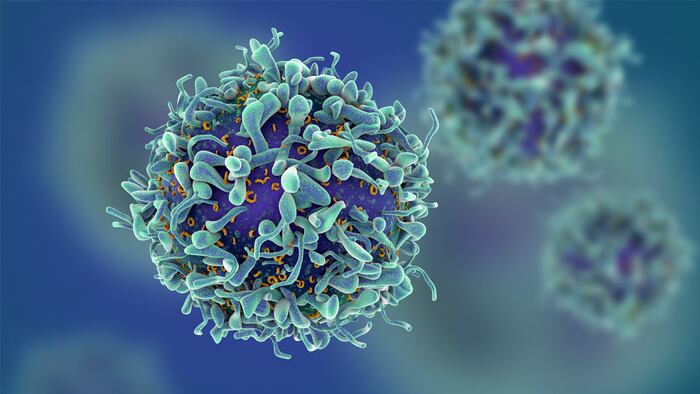
3d illustration of T cells or cancer cells

Tactiva Therapeutics is developing a next-generation adoptive cell therapy (ACT) that uses a dual approach to taking a patient's own T-cells and reprogramming them to attack cancer cells. Having licensed its technology, DEACT (dual enhanced adoptive cell therapy), from the Center for Immunotherapy at Roswell Park Cancer Institute, Buffalo, NY, Tactiva plans to begin Phase I/II basket trials, by the end of 2017, in five tumor types using a combination of hematopoietic stem cell-derived CD4 T-cell receptors (TCRs) and mature CD8 TCRs.

Tactiva Therapeutics

Founded: January 2016

Founders: Matthew E. Colpoys, Richard C. Koya and Kunle Odunsi (co-directors at Roswell Park Cancer Institute)

Employees: 4

Financing: $1.5m

Investors: Adam Kolom, Anna-Maria and Stephen Kellen Foundation, Inc.

The technology has received grant support of up to $25m and the company itself secured $1.5m in seed funding during...

Scrip Podcast

Keep up with the top pharma business news of the week. On the go.

Scrip brings you a weekly bulletin of top picks.

More from Start-Ups & SMEs

More from Business

  • How A New Healthcare Dialogue Is Driving Market Access In Mexico

    Companies stand a better chance of securing public reimbursement in Mexico for innovative medicines if they understand changing approaches to healthcare. The shift means the emergence of managed entry agreements and a focus on economic impact, explains AMIIF, Mexico's research-based pharmaceutical industry association.

  • How Novartis Is Elevating CVD Outcomes, Driving ‘Personalized Access’ In APMA

    Novartis’s APMA chief outlines the company’s tailored approach to deliver long-term outcomes, novel access solutions via innovative financing options and shape the CVD disease ecosystem in the extraordinarily diverse region. Partnering to build AI infrastructure is another key prong.

  • India Rare Diseases: Court Shows Path For Policy Action, Funding, Price Issues-- Test-2

    A court order encompassing funding, drug pricing, clinical trials and overall policy implementation aspects is expected to bring about a paradigm shift in the treatment of rare diseases in India. Sarepta, Roche and Sanofi are among the key players that have been part of pricing discussions.