
DalCor Keeps Faith In CETP Biomarker, Despite No Dice For Merck's REVEAL Genetic Analysis

Hopes for a precision approach for the vast cardiovascular disease population live on – past failed studies of HDL-raising drugs and lack of evidence for genetic typing in Merck's latest analysis of anacetrapib in REVEAL.

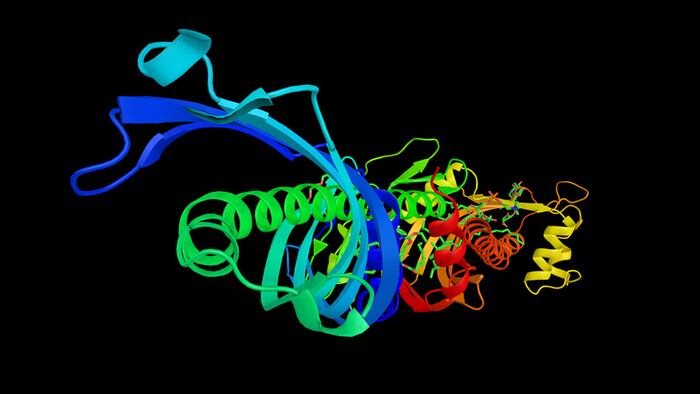
Cholesteryl ester transfer protein (3d structure) with a potential use in atherosclerosis therapy. It facilitates the transport of cholesteryl esters and triglycerides between the lipoproteins. - Illustration
Three-dimensional illustration of cholesteryl ester transfer protein (CETP), which facilitates the transport of cholesteryl esters and triglycerides between lipoproteins.

DalCor Pharmaceuticals says it's still confident about its dal-GenE outcomes study of genetically selected patients treated with the cholesterol-modulating CETP inhibitor dalcetrapib, but the odds on its big gamble are arguably worsening after a new analysis of Merck & Co. Inc.'s REVEAL outcomes study of anacetrapib did not support the hypothesis.

A retrospective analysis of data from Merck's massive REVEAL outcomes study of its CETP inhibitor anacetrapib, presented at the American...

Scrip Podcast

Keep up with the top pharma business news of the week. On the go.

Scrip brings you a weekly bulletin of top picks.

More from Clinical Trials

Sciwind Eyes Differentiation For Ecnoglutide In Highly Competitive Arena

 
• By 

Chinese firm Sciwind has revealed additional Phase III findings for its promising once-weekly GLP-1 agonist ecnoglutide, just one asset in a burgeoning Chinese sector that could see the emergence of new rivals to current global leaders in obesity and diabetes.

Fosun ALK/ROS1 Inhibitor Shows 1L Promise In Advanced NSCLC

 
• By 

Interim results from the Phase III REMARK study presented at WCLC showed the Chinese company’s second-generation ALK/ROS1 inhibitor met its primary endpoint as a first-line therapy in ALK-positive advanced NSCLC.

Sponsored By:

Nancy Tests SPARC-931-part

The article discusses the impact of upcoming patent expirations in oncology biologics on biosimilar developers, highlighting the opportunities in Antibody-Drug Conjugates (ADCs) and Bispecific Antibodies (BsAbs). It explores the challenges posed by the structural complexities of these biologics, necessitating new bioanalytical tools and manufacturing processes. The evolving regulatory landscape, with contributions from EMA, FDA, and WHO, offers flexible pathways but also presents challenges. The article underscores the potential for biosimilars to generate significant cost savings and enhance patient access to cancer treatments over the next decade.

Fosun ALK/ROS1 Inhibitor Shows 1L Promise In Advanced NSCLC

Interim results from the Phase III REMARK study presented at WCLC showed the Chinese company’s second-generation ALK/ROS1 inhibitor met its primary endpoint as a first-line therapy in ALK-positive advanced NSCLC.

More from R&D

Scrip-R&D-Premium: ‘Article’ article that includes different Composer content

 
• By 

To make your document look professionally produced, Word provides header, footer, cover page, and text box designs that complement each other. For example, you can add a matching cover page, header, and sidebar. Click Insert and then choose the elements you want from the different galleries.

Spotlight On RDCs, AOCs As Leading Novel Bioconjugates[Updated]

Pipelines in bioconjugates continue to develop, from ADCs to XDCs, with radionuclide drug conjugates (RDCs) and antibody-oligonucleotide conjugates (AOCs) leading the expansion.

Fosun ALK/ROS1 Inhibitor Shows 1L Promise In Advanced NSCLC

Interim results from the Phase III REMARK study presented at WCLC showed the Chinese company’s second-generation ALK/ROS1 inhibitor met its primary endpoint as a first-line therapy in ALK-positive advanced NSCLC.