
Pfizer Throws In China Biosimilar Towel, Divests Site To WuXi

Changing Market To Blame?

After an earlier frenzy around local production and supply, policies to encourage generics, and fast-evolving procedural streamlining, Pfizer’s $350m ambition to develop and make cheaper biologics in China has come to an abrupt halt with the sale of its manufacturing site in a deal with services heavyweight WuXi Apptec.

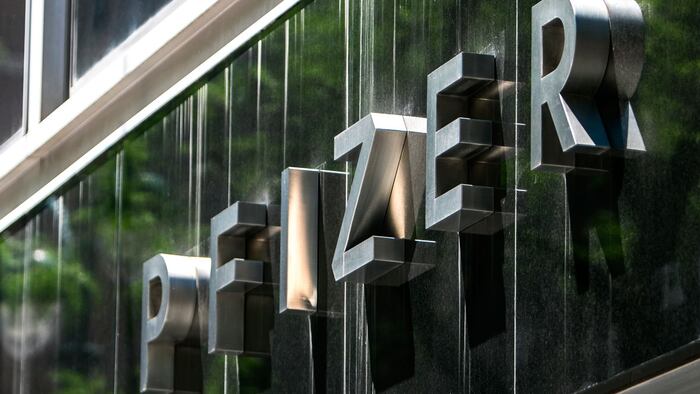
New York, July 19, 2016: Corporate lettering on the exterior of the Pfizer headquarters in Manhattan.
PFIZER SELLS HANGZHOU BIOLOGIC PRODUCTION SITE TO WUXI BIOLOGICS • Source: Shutterstock

Just five years ago, Pfizer Inc. was in an upward swing to develop and manufacture several biosimilars in China, the potentially largest market for the follow-on biologics, especially for cancer. But now its ambitions seem to be largely tamed.

The US drug maker has announced it has agreed to divest its biologics manufacturing site in the eastern city of...

Scrip Podcast

Keep up with the top pharma business news of the week. On the go.

Scrip brings you a weekly bulletin of top picks.

More from China

  • Iran Deal In Place, But API Prices Stay Elevated And Pharma Supply Chains Face A Slow Recovery

    A framework to end the Iran war is in place but fractured supply chains can’t recover overnight. Data from India suggests solvent prices have generally cooled from April peaks, but API costs stay elevated or even climbed in June for some products.

  • Embracing China’s Brave New Pharmaceutical World!

     
    • By 

    Already one of the world’s largest pharmaceutical markets, China has tremendous growth potential, but significant policy and market changes are rocking the basis of competition. Multinational biopharma corporations cannot succeed in this new environment unless they fundamentally reinvent their business models to adapt to sweeping change.

  • Spotlight On RDCs, AOCs As Leading Novel Bioconjugates[Updated]

    Pipelines in bioconjugates continue to develop, from ADCs to XDCs, with radionuclide drug conjugates (RDCs) and antibody-oligonucleotide conjugates (AOCs) leading the expansion.

  • Fosun ALK/ROS1 Inhibitor Shows 1L Promise In Advanced NSCLC

    Interim results from the Phase III REMARK study presented at WCLC showed the Chinese company’s second-generation ALK/ROS1 inhibitor met its primary endpoint as a first-line therapy in ALK-positive advanced NSCLC.

More from Focus On Asia