Like most employers, the US Food and Drug Administration continues to try to balance in-person work with remote and hybrid options.
But when it comes to facility inspections, the FDA has decided in-person-only is the way to go, unless travel is...


FDA continues to see in-person inspections as more efficient and more effective than ‘virtual’ alternatives, which means almost all domestic inspections will be handled by traditional site visits.

Like most employers, the US Food and Drug Administration continues to try to balance in-person work with remote and hybrid options.
But when it comes to facility inspections, the FDA has decided in-person-only is the way to go, unless travel is...


The gut’s microbiome will shape future medical advances, offering personalized therapies and prevention strategies for a wide range of diseases.
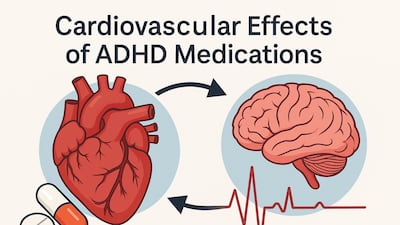
A look at new research on the cardiovascular effects of ADHD medications and what it means for clinical care. This article explores the latest clinical and epidemiological research on the cardiovascular effects of medications commonly prescribed for ADHD, examining potential heart-related risks, underlying mechanisms, and their implications for patient safety, clinical decision-making, and long-term treatment strategies across diverse age groups and risk profiles.
Semi-annual regulatory agenda of non-binding target dates also sets December goal for an NPRM to recognize N-acetyl-L-cysteine as a lawful dietary ingredient. Like IND exemptions rule, item on NAC included for first time in FDA’s list.
This HBW Insight series profiles regulatory affairs specialists working in or supporting the consumer health and beauty product industries. In this installment, we speak to Kenvue's Kevin Whelan.
The gut’s microbiome will shape future medical advances, offering personalized therapies and prevention strategies for a wide range of diseases.
A look at new research on the cardiovascular effects of ADHD medications and what it means for clinical care. This article explores the latest clinical and epidemiological research on the cardiovascular effects of medications commonly prescribed for ADHD, examining potential heart-related risks, underlying mechanisms, and their implications for patient safety, clinical decision-making, and long-term treatment strategies across diverse age groups and risk profiles.